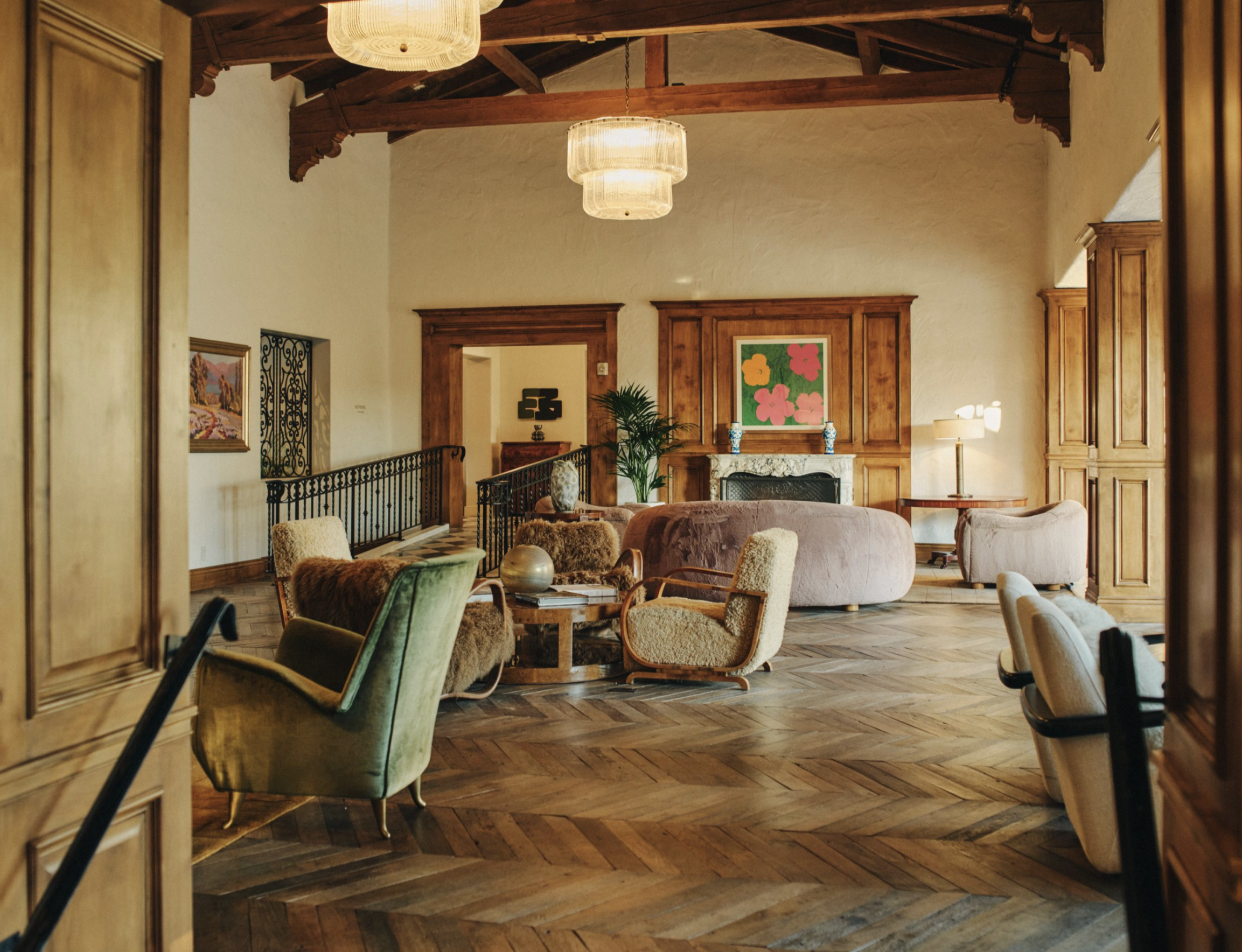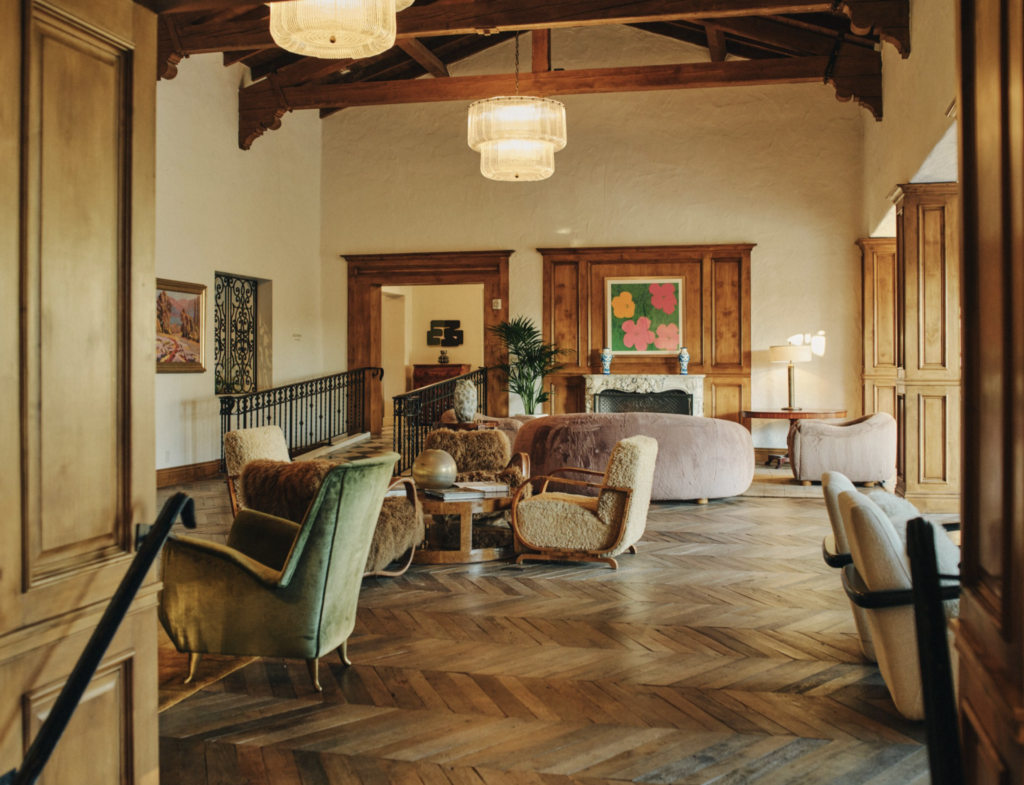
Ever walk into a room and wonder why it feels so warm, inviting, and expensive—even though nothing about it is particularly flashy? Chances are, the answer isn’t the furniture.
It’s the texture.
In fact, one of the biggest mistakes I see homeowners make is focusing solely on color while completely overlooking texture. The most beautiful homes rarely rely on bold colors to create interest. Instead, they use layers of materials and finishes to add depth, warmth, and character.
The good news? Once you understand how texture works, it’s surprisingly easy to recreate.
Why Texture Matters
Texture is what keeps a neutral room from feeling flat. Think about some of the most beautiful homes you’ve seen—whether it’s a California coastal retreat, a Connecticut colonial, or a timeless Ralph Lauren-inspired space. Most of them have something in common:
They’re layered.
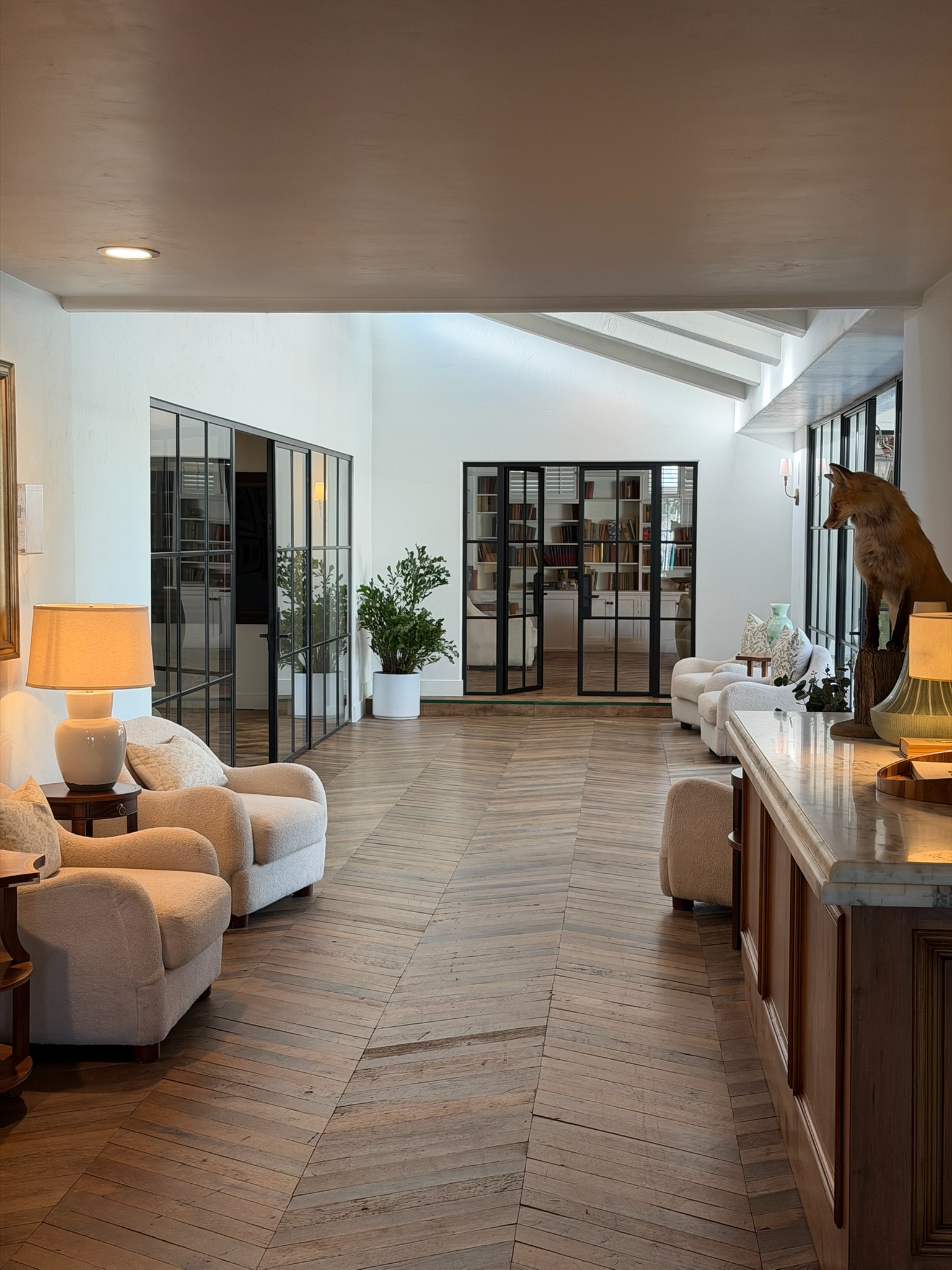
A linen sofa sits beside an aged wood coffee table. A woven basket rests underneath. A marble tray sits on top. A chunky throw is draped over the arm. No single piece is doing all the work. It’s the combination that makes the room feel finished.
Start With Natural Materials
Whenever I’m designing a room, I almost always begin with natural materials.
Think:
Linen
Cotton
Wool
Jute
Marble
Travertine
Oak
Rattan
Leather
Aged brass
These materials instantly add warmth because they have natural variation and character. The more organic a space feels, the more inviting it tends to be.
Mix Hard and Soft Elements
One of the easiest ways to create balance is by pairing hard materials with soft ones.
For example:
Stone + linen
Leather + wool
Wood + cotton
Brass + woven textures
If everything in a room feels soft, it can start to feel bland. If everything feels hard, it can feel cold. The magic happens somewhere in the middle.
Layer Within the Same Color Family
This is one of my favorite designer tricks. Many people think they need a lot of color variation to make a room interesting. You don’t. A room filled with creams, ivories, taupes, and warm whites can feel incredibly rich when different textures are layered together.
Imagine:
A cream linen sofa.
An ivory wool rug.
A warm oak coffee table.
A marble bowl.
A woven basket.
A chunky knit throw.
They’re all neutral—but they each bring something different to the room.
Don’t Forget Vintage Pieces
If your home ever feels a little too perfect, add something old.
Vintage books.
Antique pottery.
Collected artwork.
A weathered stool.
Older pieces naturally introduce texture because they carry imperfections, patina, and history.
They help a home feel lived in rather than staged.
Think Beyond Furniture
Some of the best texture opportunities come from the details.
Consider:
Linen curtains
Woven shades
Picture frames
Lampshades
Coffee table books
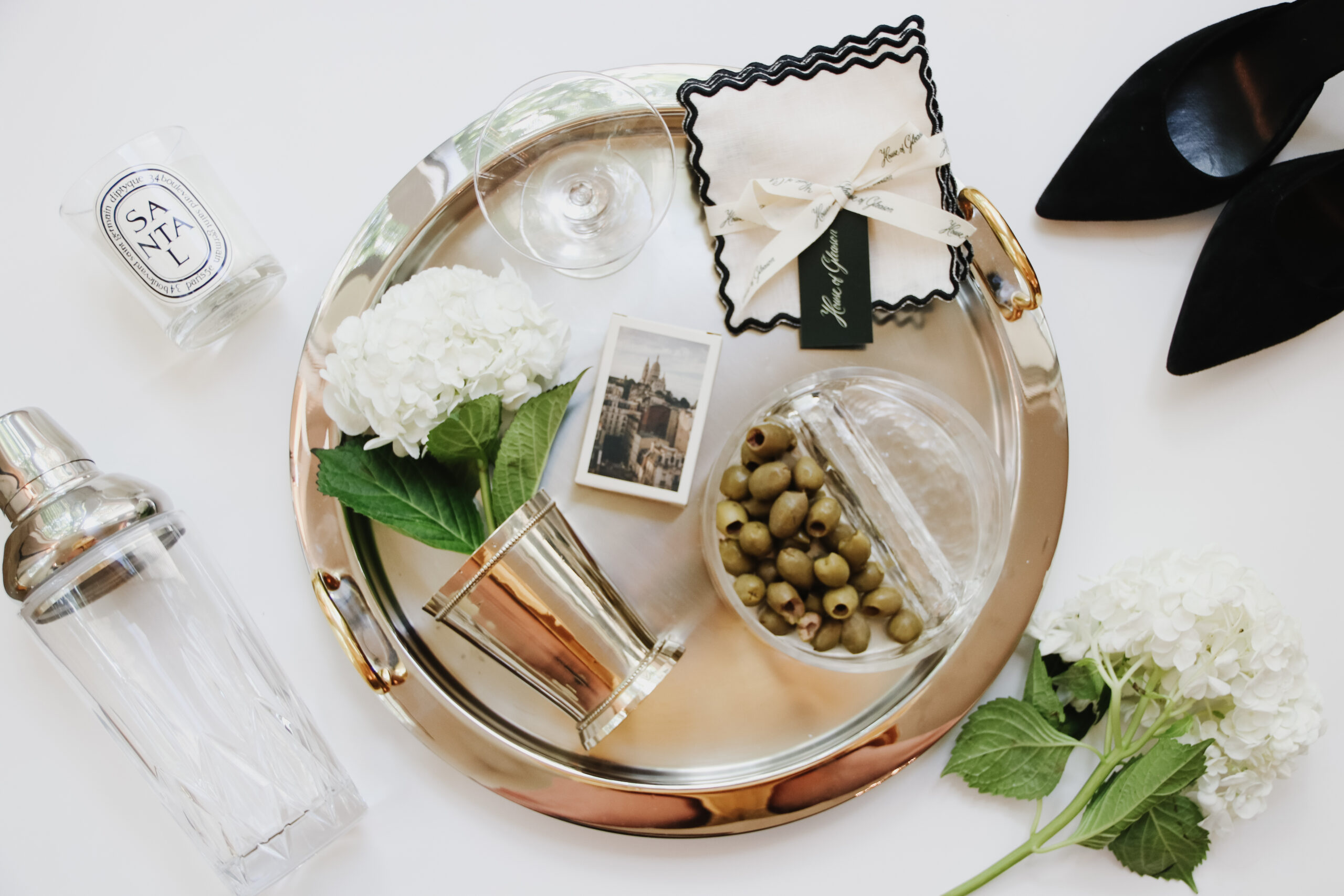
Decorative bowls
Candles
Fresh greenery
Wooden cutting boards
These smaller layers are often what make a room feel complete.
My Favorite Texture Formula
When I’m styling a room, I typically try to include:
✓ Something woven
✓ Something wooden
✓ Something soft
✓ Something stone
✓ Something vintage
✓ Something living (plants or flowers)
It’s a simple formula, but it works every time.
The Biggest Mistake to Avoid
The biggest mistake I see is buying everything from one store at one time. Beautiful homes rarely feel that way. The most interesting spaces are collected gradually. They evolve. They tell a story. They feel personal. So instead of trying to finish your home in a weekend, focus on adding layers over time.
Final Thoughts
At the end of the day, texture is what transforms a house into a home. It’s what makes a room feel warm instead of sterile. Collected instead of decorated. Inviting instead of intimidating. And if you’re ever wondering why a space feels unfinished, chances are it doesn’t need more furniture. It just needs another layer.