I’ve always experienced the world a little differently.
For as long as I can remember, I’ve noticed the feeling of a room before anything else. I would pick up on someone’s facial expression, the energy they were carrying, or the emotion beneath their words before I actually listened to what they were saying. For a long time, I thought that was a flaw. I assumed I was too sensitive or that I was reading too much into things.
But the older I’ve gotten, the more I’ve realized that being a feeler is one of my greatest strengths.
It’s what allows me to create spaces that aren’t just beautiful—they make you feel something.
I think it’s also what allows me to connect with people on a deeper level. Before I ever start thinking about furniture layouts, paint colors, or architectural details, I want to understand how someone wants to live in a space. How they want mornings to feel. What they hope people experience when they walk through the front door. What memories they want to create there.
Because at the end of the day, good design isn’t just about aesthetics. It’s about emotion.
One of my biggest goals in life is to help people feel seen, loved, and understood—no matter where they are in life. Design has simply become one of the ways I get to do that.
If you’re someone who naturally feels first, I hope you’ll embrace it.
I’m not saying to throw logic out the window (always use your head, too hah!), but don’t apologize for experiencing the world differently. Your ability to notice the things other people overlook is a gift. It allows you to create with empathy, to tell stories through design, and to bring warmth into spaces that can’t always be explained with words.
And if you’re someone who doesn’t naturally think this way, the good news is that I really believe this is a muscle you can strengthen.
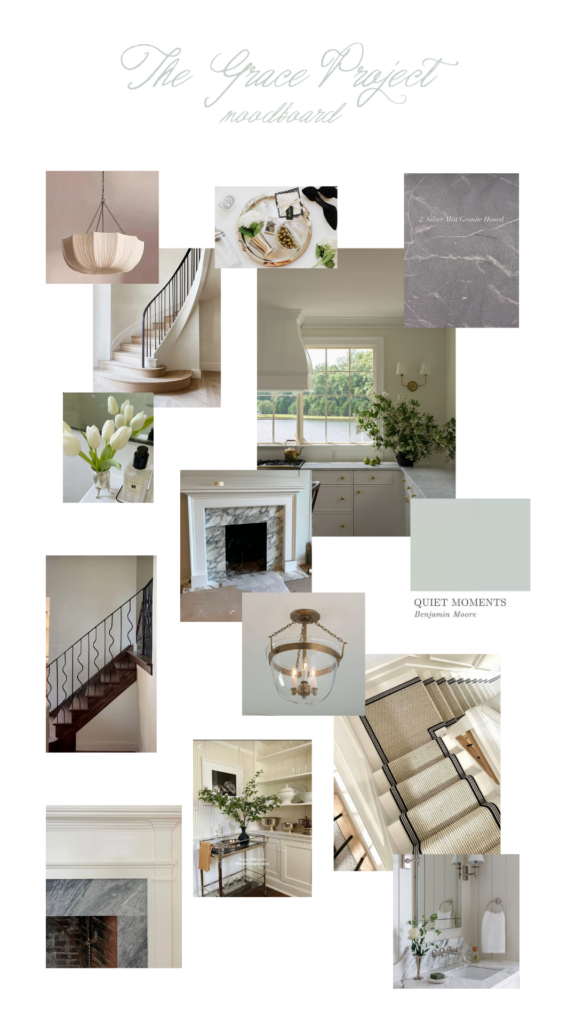
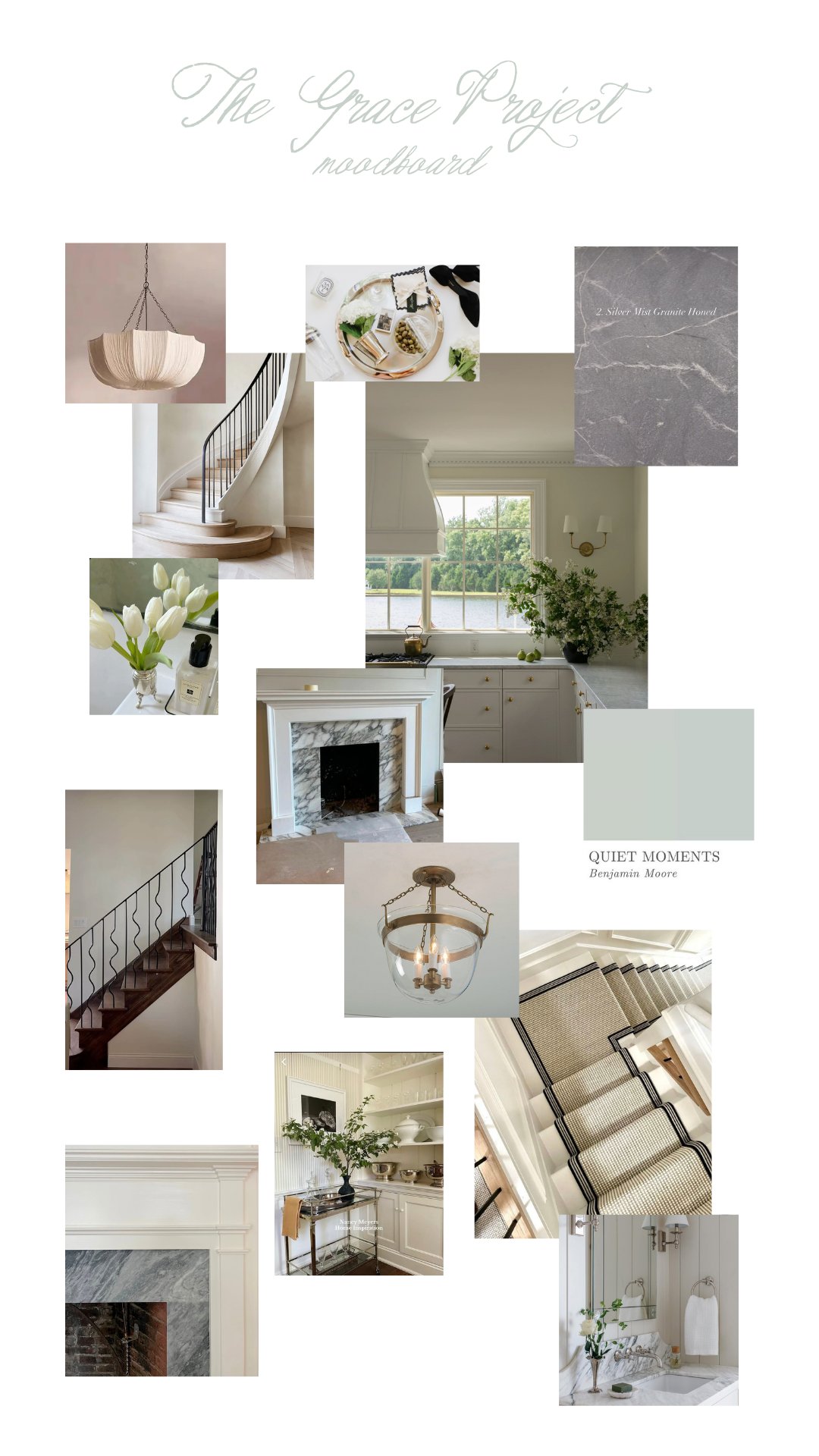
One of my favorite exercises whenever I’m starting a new project is creating a mood board—not just to collect pretty images, but to uncover the feeling I’m trying to create.
Here’s how I approach it:
1. Create a Mood Board
Grab a stack of magazines, browse Pinterest, print photos, tear pages out, and start arranging them together. I actually prefer doing this physically rather than digitally. There’s something about moving pieces around with your hands that allows your creativity to go a little deeper.
2. Ask Yourself Why
Once everything is on the board, don’t stop there.
Ask yourself:
- Why am I drawn to these images?
- What colors, textures, or materials keep showing up?
- What feeling am I trying to create?
- If someone walked into this space, what would I want them to experience?
Those questions usually reveal far more than the images themselves.
3. Make It Yours
This might be the most important step. The goal of design isn’t to copy someone else’s home from Pinterest. It’s to discover your own creative voice and make it visible. Take inspiration from others, absolutely—but then ask yourself, What can I add that feels like me?
Maybe it’s a memory from your childhood. Your favorite vacation. A place you’ve always loved. A family heirloom. A color that reminds you of home. Those are the things that transform a beautiful room into one that tells your story. This is how I begin every major project, including The Grace Project.
Eventually, it becomes second nature. You’ll find yourself creating little mental mood boards everywhere you go—saving images, noticing colors, paying attention to architecture, collecting inspiration without even realizing it. And practically speaking, mood boards are invaluable. They help you stay true to your original vision instead of getting distracted by every new trend, and they make it so much easier to communicate your ideas with contractors, tradespeople, and anyone else helping bring your vision to life.
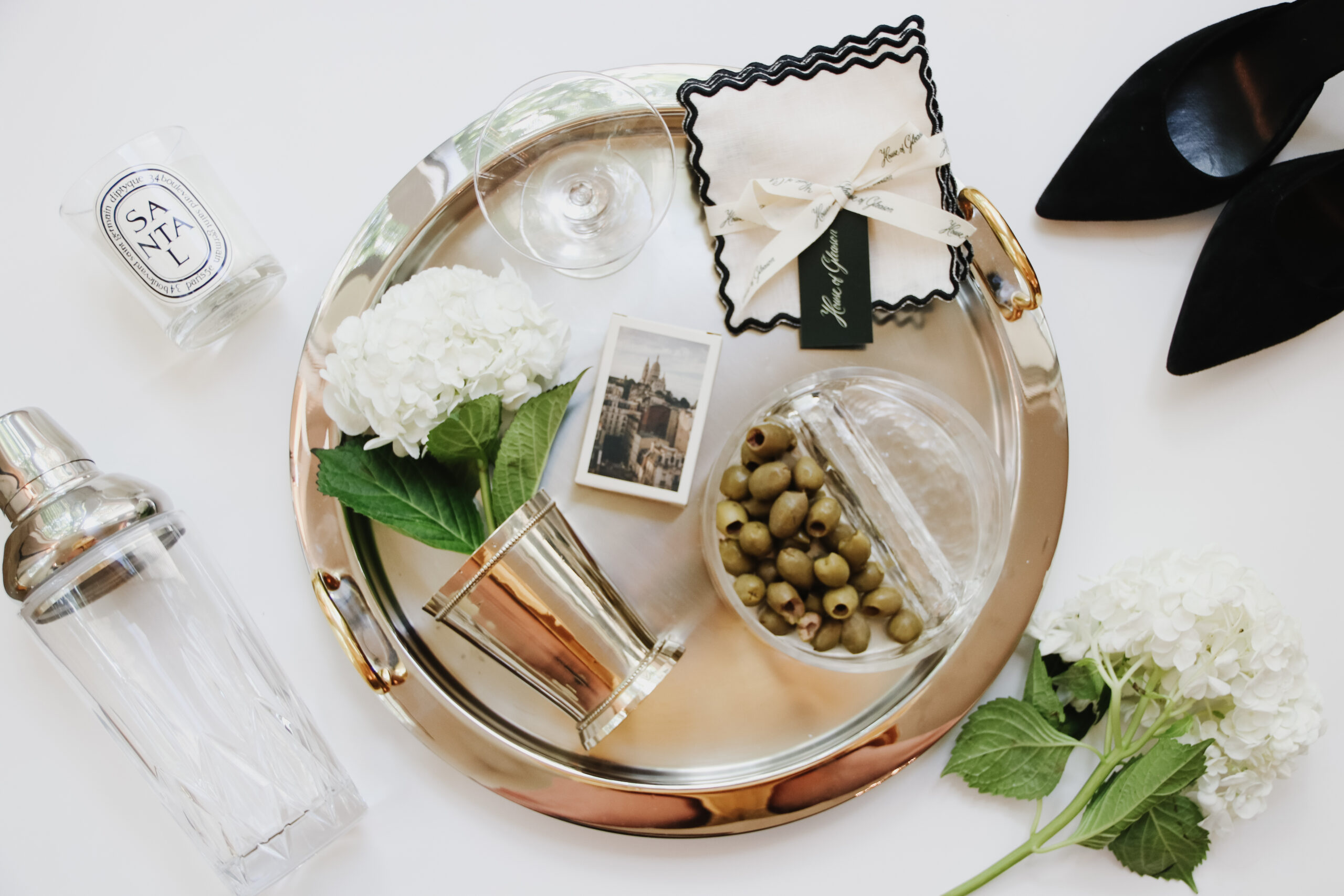
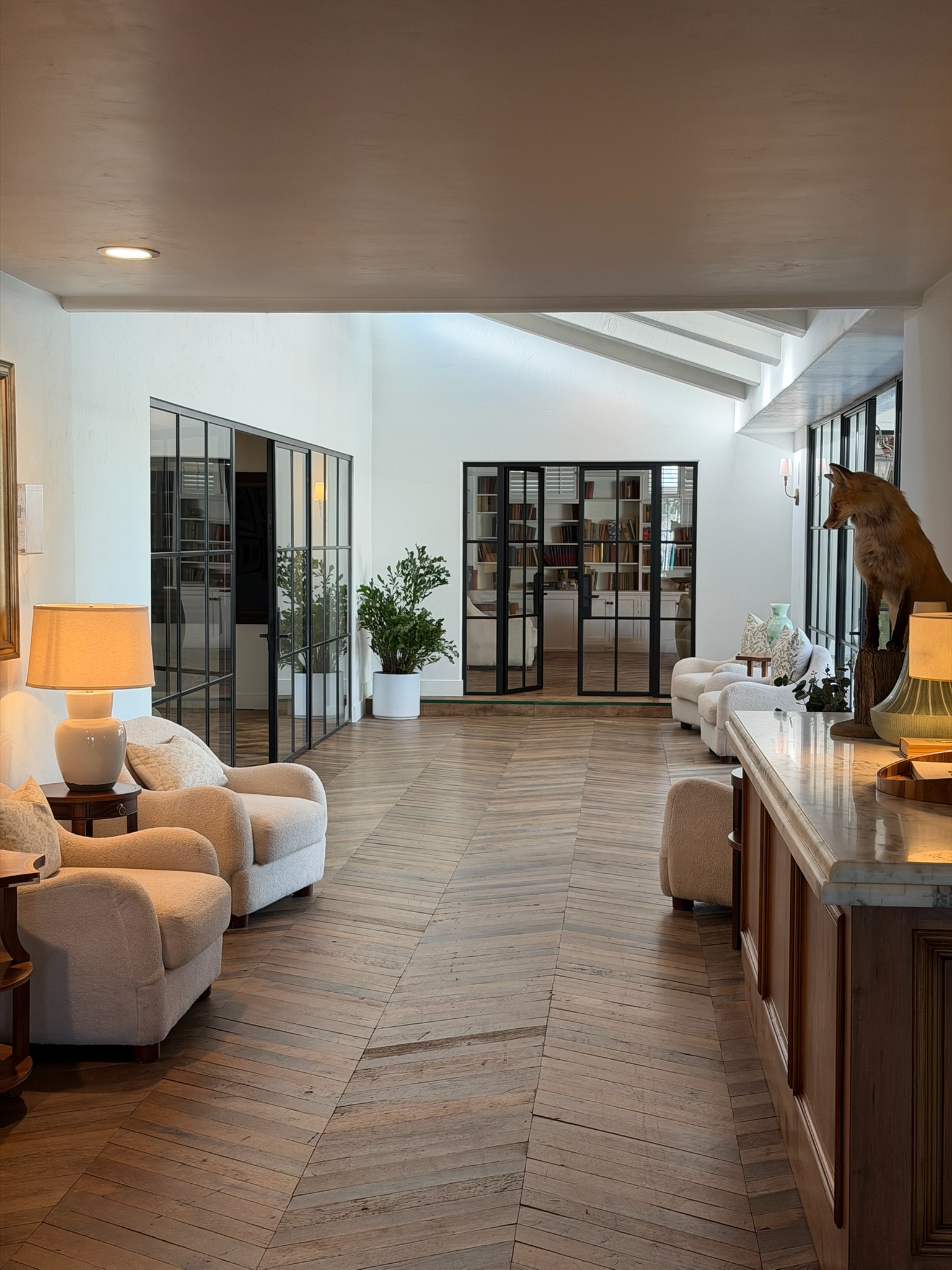
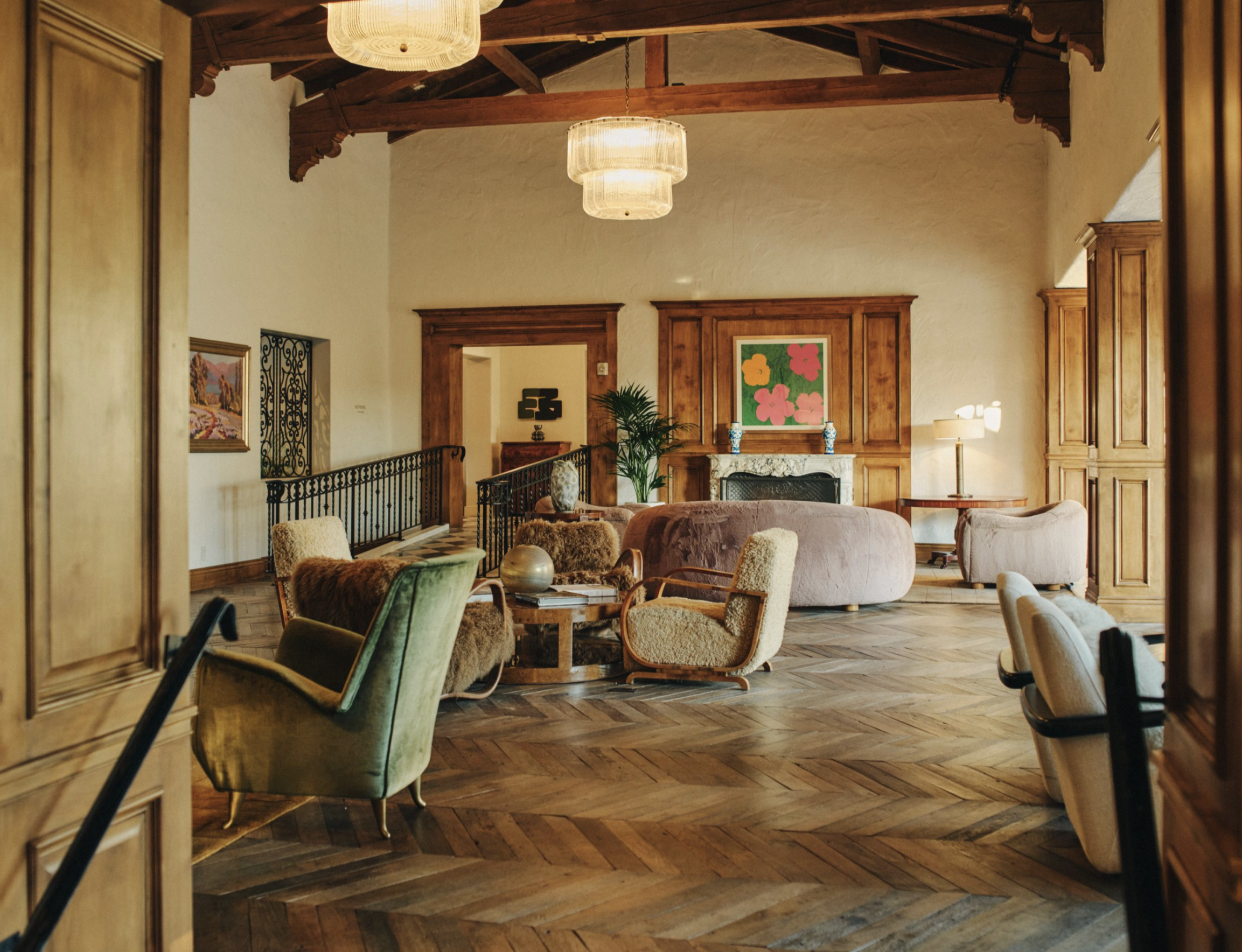
I’ve shared a few of the images currently inspiring me for The Grace Project below (you can read more about it here). I hope they encourage you to start collecting inspiration for a space of your own.
Have the best week, thinkers and feelers!